Snowbird season on the Ormond Beach and Daytona Beach coast runs roughly from late fall through spring, with peak arrivals in November and the busiest stretch from November through March. For anyone buying an oceanfront condo, that season shapes everything from rental income to what a winter visit actually feels like, so it pays to understand it before you make an offer.
What Winter Feels Like Here
Winters are mild. Long-term weather data for the Daytona Beach coast shows average daily highs around 71 degrees in the winter months, with average January lows near 64 degrees, though short cold snaps do happen. That is why the seasonal rental market here treats November through March as the premium "winter months," when snowbirds fill oceanfront buildings and monthly rentals command their highest rates.
Rental Policy Questions to Ask Before Buying
If rental income is part of your plan, check the condo association's rental rules before you buy. Some buildings allow monthly or seasonal snowbird rentals; others require longer leases or restrict rentals entirely. The answer changes the math on an oceanfront unit, and it is one of the first questions a knowledgeable agent will ask the association on your behalf.
The Inspection Questions That Matter on the Coast
Salt air is hard on buildings, so a coastal condo inspection should cover balcony and lanai condition, window and door seals, and the age and condition of the HVAC system. After the Surfside collapse, Florida law (SB 4-D and SB 154) requires milestone inspections for condominiums three stories and taller, at 30 years of age, or 25 years for buildings within three miles of the coast. Ask the association for the building's inspection and reserve study records, not just the unit's condition. The Florida condo buyer guide from Coastal Volusia Homes walks through the reserves and inspection documents worth reviewing.
Visit in the Season You Will Actually Use
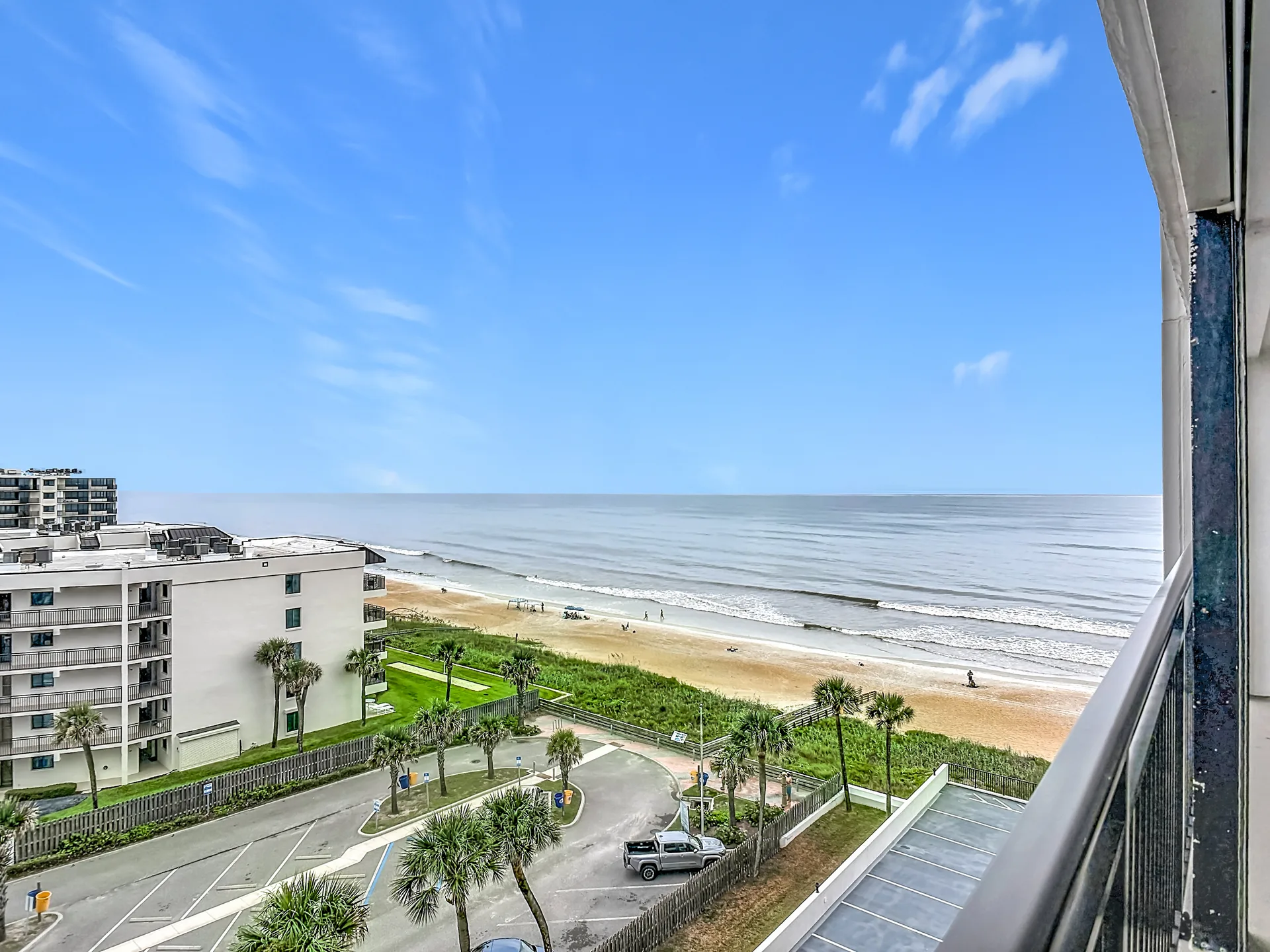
The best advice for a winter purchase: visit at different times of day and, if you can, in different seasons, to gauge noise, crowds, and building activity. A unit like 7F6 at 1239 Ocean Shore Blvd is set up for year-round use, with impact sliding glass doors, power hurricane shutters on both balconies, and a south balcony that holds the sun through the shorter days of winter. But no listing description replaces standing on the balcony in January and seeing the coast for yourself.
Winter is a great time to tour oceanfront condos, and the coast is at its most lively. Contact Debbie Weller to see Unit 7F6 and talk through the building's rental rules, reserves, and inspection records.